
Discover the story behind one of the South’s most remarkable outdoor destinations. Spanning the Louisiana–Texas border, Toledo Bend Reservoir is celebrated for its expansive waters, impressive engineering, and legendary bass fishing.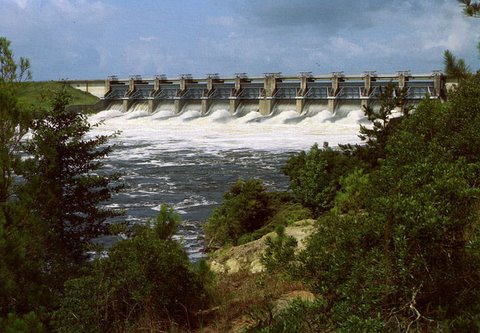
What began as a shared vision for water conservation and hydroelectric power has grown into a destination where anglers, boaters, and outdoor enthusiasts come to experience the beauty of Lake Country.
Whether you’re exploring the history of the reservoir, learning about the Toledo Bend Dam, or hoping to land a trophy largemouth bass, there’s more to this legendary lake than meets the eye.
The History of Toledo Bend
Toledo Bend Reservoir began with a vision for the future of the Sabine River region. During the late 1940s, growing industrial development and changing economic needs prompted leaders in Louisiana and Texas to explore ways to conserve and develop the river’s water resources.
The Texas Legislature established the Sabine River Authority of Texas in 1949, followed by the creation of the Sabine River Authority, State of Louisiana, in 1950. By 1955, the two authorities were working together to study the feasibility of a reservoir that could support water supply, hydroelectric power generation, and recreation.
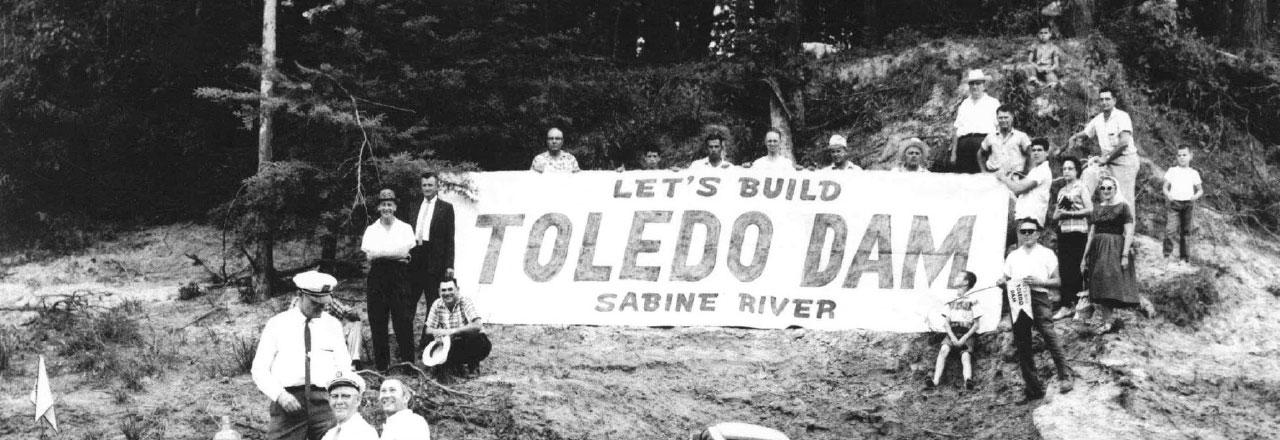
The project gained momentum in 1960, when Louisiana legislators traveled to Baton Rouge to persuade Gov. Jimmie Davis to support the reservoir. In a memorable moment, supporters presented the governor with a jug of Sabine River water bearing the message “Let’s build Toledo Bend.” The resulting publicity helped move the ambitious project forward.
Land acquisition began in 1963, and construction of the dam, spillway, and powerhouse started in 1964. The power plant began operating in early 1969, bringing the shared vision of Louisiana and Texas to life.
Built at a cost of approximately $70 million, with expenses shared equally by the two states, Toledo Bend became the largest man-made body of water in the South. The project was also notable for being financed without federal participation in its permanent financing.

Today, Toledo Bend Reservoir stretches approximately 65 miles upriver toward Logansport, Louisiana, forming part of the boundary between Louisiana and Texas. Its vast expanse of water, wooded shorelines, and recreational opportunities continue to shape the region’s character and economy.
Toledo Bend Dam: The Engineering Behind the Lake
The Toledo Bend Dam is the engineering achievement that made this remarkable reservoir possible. Developed through a partnership between Louisiana and Texas river authorities, the project was designed to meet three important needs: water supply, hydroelectric power generation, and recreation.
Construction of the dam, spillway and power plant began on May 11, 1964. Water impoundment began in October 1966, and the powerhouse entered operation in early 1969. The completed project created an enormous reservoir along the Sabine River, transforming the surrounding landscape and establishing a shared resource for communities on both sides of the state line. Beyond generating electricity and supporting water conservation, the reservoir opened the door to decades of fishing, boating, and outdoor recreation.
For visitors exploring Toledo Bend Lake Country, the dam represents an important part of the destination’s story. It offers a compelling connection to the vision, cooperation, and engineering that created the lake enjoyed by generations of residents and visitors. There are scenic overlooks that offer panoramic views across Toledo Bend Reservoir, including the dam area.
A Two-Time No. 1 Bass Fishery in America
Toledo Bend Reservoir made history when Bassmaster magazine named it the nation’s No. 1 Bass Fishery both 2015 and 2016—the first lake to claim the top ranking two years in a row.
Today, Toledo Bend remains a premier destination for trophy bass fishing and competitive tournaments.
A Natural Advantage
One of Toledo Bend’s greatest assets is its unique underwater landscape. The reservoir’s flooded forest provides structure and habitat that support fish populations and create opportunities for anglers to pursue largemouth bass.
This combination of natural habitat and fisheries management helped establish Toledo Bend as a favorite among recreational anglers and tournament professionals alike.
Stocking for Trophy Bass
A major milestone came in 1990, when the Sabine River Authority of Louisiana, Texas Parks and Wildlife, the Louisiana Department of Wildlife and Fisheries, and the Toledo Bend Lake Association began a coordinated effort to stock Florida-strain largemouth bass.

More than 28 million fingerlings were introduced during the program’s early years, helping strengthen the reservoir’s potential to produce trophy-sized fish. The stocking effort continues today through cooperation between wildlife agencies and hatchery programs in Louisiana and Texas.
The Toledo Bend Lunker Program
Launched in 1993, the Toledo Bend Lunker Program celebrates the lake’s remarkable trophy bass while encouraging anglers to release their largest catches. Eligible anglers who catch a bass weighing more than 10 pounds, register it with the program, and release it can receive a commemorative replica.
The program highlights the value of responsible fishing and helps document the reservoir’s trophy-bass legacy. It also gives anglers another reason to celebrate a memorable day on the water.
Shown here is Darold Gleason with his 3 lunker bass caught in one year.

In November 2014, George Herr caught a record 5 fish weighing 40.45 lbs. in 45 minutes.

A Fishery Built to Last
Toledo Bend’s fishing success is the result of long-term collaboration. Wildlife biologists, state agencies, river authorities, the Toledo Bend Lake Association, and generations of volunteers have all contributed to managing and promoting this important resource.
For anglers, the result is a destination with a reputation for big bass, competitive tournaments and the possibility of a catch worth remembering. For visitors who simply enjoy being on the water, the lake’s wooded coves, broad open stretches and peaceful shoreline scenery make every trip an opportunity to experience the outdoors.
Come experience the history, natural beauty, and legendary fishing that make Toledo Bend a destination worth discovering.